Field notes: the territory that topped the list until we split it by machine type
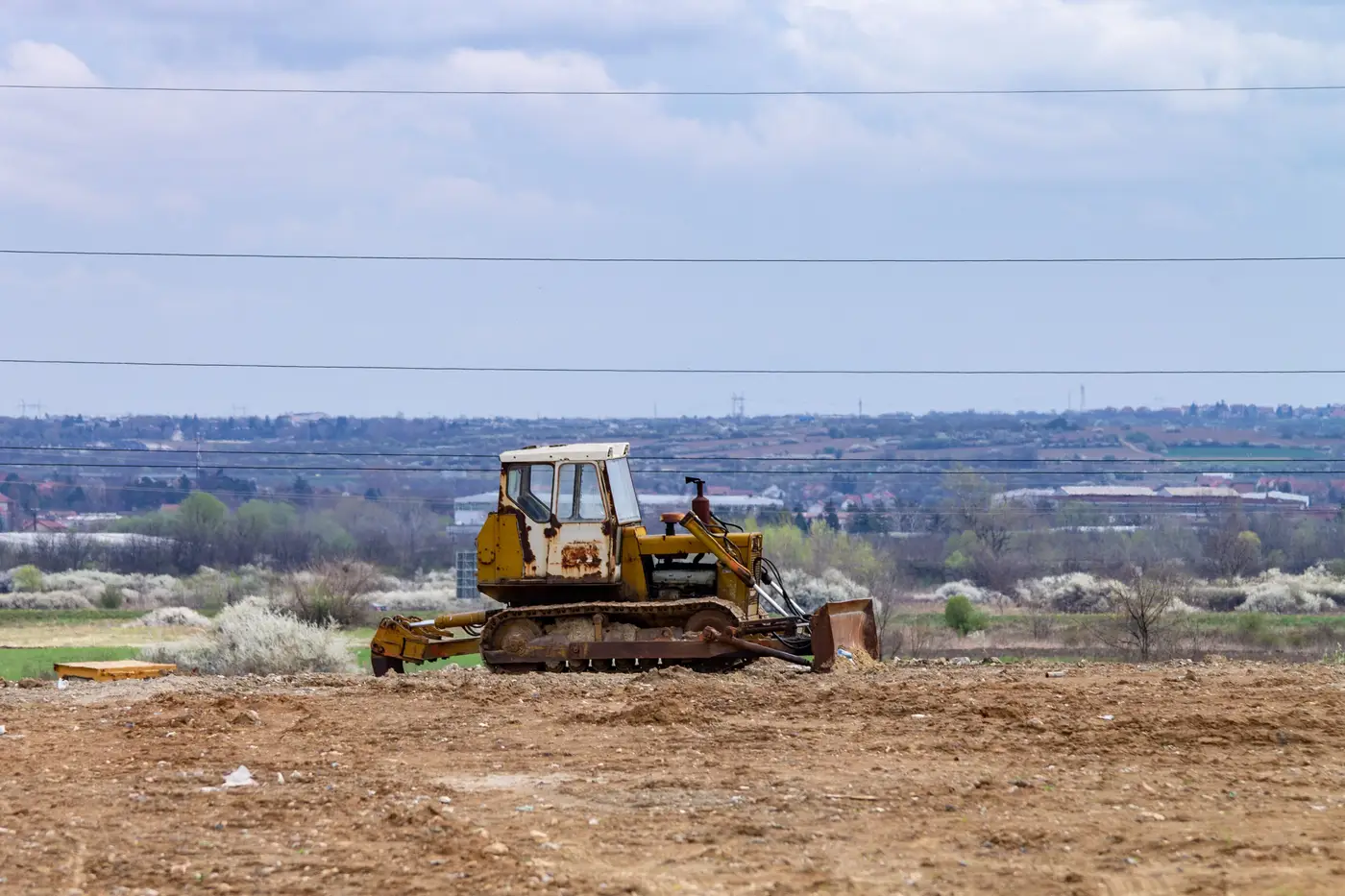
A territory came across our desk a couple passes back sitting at the top of a turnover ranking for its region. New iron showing up on sites every quarter, old iron rolling off, the kind of churn that usually means a dealer's doing something right on the trade-in side. Worth a second look before anyone wrote it up as the model territory.
So we split it by machine class instead of reading the aggregate number. That's where it fell apart.
Almost all the turnover was in skid steers and compact track loaders. Sites were swapping those out every pass or two, sometimes two or three units at a time, which tracks with how that equipment gets used and re-rented on smaller sitework jobs. Fast-cycling gear, short ownership windows, nothing surprising once you isolate it.
The four-wheel-drive loaders and the dozers at those same sites were a different animal entirely. Same serial-number footprint showing up pass after pass, three and four cycles running with no departures logged at all. One site had a pair of wheel loaders that hadn't moved off the yard since the first pass we ran on that territory. The compact fleet was masking it. Blend those two populations into one turnover score and you get a territory that looks healthy on paper while the machines that actually carry the replacement economics sit there aging out.
This is the thing about a single turnover number for a territory: it's an average, and averages hide exactly the kind of split that matters for timing a campaign. A rep driving past sees activity. New paint, different brands in the lot, something always moving. What they don't see is that the activity is concentrated in the cheapest, fastest-turning segment of the fleet while the big-ticket units are quietly going past their usual replacement window.
Once the territory got re-ranked by machine class, the actual priority sites moved. The ones that had looked merely average on the blended score jumped up because their wheel loaders and dozers were the oldest standing inventory we'd matched anywhere in the region, with no arrivals at all behind them. The ones that had topped the original list dropped down, because the turnover there was real but it was turnover in equipment that doesn't carry the same replacement cycle or the same deal size.
None of this would have shown up from a single pass. It took the arrival and departure record across several quarters, matched machine by machine, to see which units were new faces and which ones were the same serial sitting in the same corner of the yard. That's the whole value of running it this way instead of going on the last time someone eyeballed a lot from the road: the quarterly turnover map carries that match-up across passes so a territory's score isn't just "stuff moved," it's which stuff moved, where, and what's still sitting there from three passes back.
The lesson for anyone building a call list off a turnover ranking: ask what's inside the number before you trust it. A territory can look like your best lead and your most overdue lead at the same time, depending on which machine class you're asking about. Split it before you dispatch anyone, not after.
If your rankings have been running as one blended score, it's worth checking whether a top territory is hiding an overdue one underneath. Reach out and we'll show you what your territories look like split by machine type.