The account everyone called flush, until the fourth pass
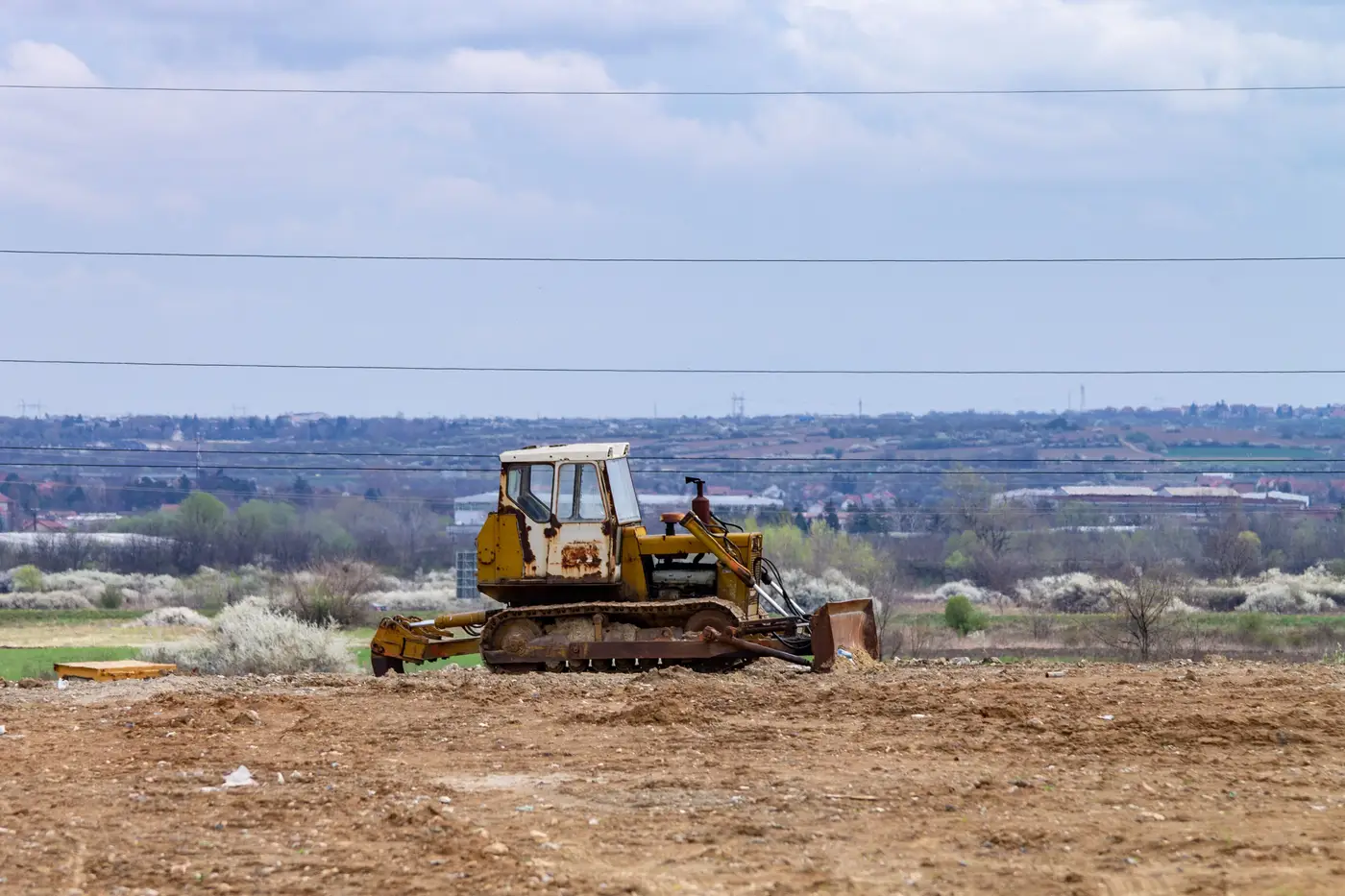
There's a particular kind of confidence a territory manager gets about his best account. He's been there a dozen times, he knows the super by name, and every time he pulls into that yard the iron looks sharp. New paint, low hours showing on the hour meters he can see from the cab window, nothing with a cracked windshield or a bent ROPS. He'll tell you, without hesitating, that this customer turns their fleet fast and buys new every chance they get.
That confidence is built on memory, and memory is built on whatever happened to be parked up front the last time he drove through.
A planning manager I talked to this fall had exactly that account on his short list, flagged by his own rep as a lock for a replacement push. Three quarterly passes of aerial imagery backed it up, more or less. Machine count held steady, a few units rotated in and out near the shop, nothing alarming. Then the fourth pass came back and the picture didn't match the story anymore. Two of the "new" units the rep had been citing for a year turned out to be the same serial-class machines, sitting in slightly different spots each visit, never replaced. What looked like a rotating, healthy fleet was three machines playing musical chairs across a fifteen-acre yard.
That's the thing about a big site with a lot of iron on it. A yard with forty pieces of equipment doesn't read as "old" or "new" at a glance. It reads as busy. The eye catches the shine on whatever's closest to the gate and assumes the rest follows suit. Nobody's walking the back row counting hour meters on a cold Tuesday in March, and even if they did, that's one data point from one day.
Three machines sitting in the same corner of that yard for three straight checks is the tell, not the two shiny units parked by the gate this morning.
This is where a single drive-by, however frequent, runs out of road. You need the comparison, not the snapshot. A machine that was in the southeast corner last quarter and is still in the southeast corner this quarter isn't new no matter how clean it looks from fifty yards. A machine that showed up for the first time three passes back and is still sitting there is aging out of its own grace period. None of that shows up unless somebody's stacking one pass against the last one, and the one before that, long enough to see the pattern instead of the picture.
That stacking is the whole point of what we built. Fleet Turnover Monitor runs a quarterly pass over a dealer's customer sites and matches what's parked there this time against what was parked there last time and the time before: what showed up, what left, what's been sitting in the same spot since who-knows-when. The output is a timeline, per site, of arrivals and departures, so a planning manager can see which accounts are refreshing and which ones just look busy. You can read more about how that quarterly matching works on the Fleet Turnover Monitor homepage.
The account in question is still a good account. It dropped from the top of the replacement-push list to somewhere in the middle, though, and a different site that had looked unremarkable for two straight passes moved up, because the fourth pass showed three units that had been there since pass one and nothing newer parked anywhere near them. That's a pattern no rep driving past would catch, no matter how sharp his eye is, because nobody can hold four quarters of yard photos in their head at once.
If your own short list is built on memory instead of a record, it might be worth checking which accounts earned their spot.