Field notes: the dealer who called three times before the fleet actually turned
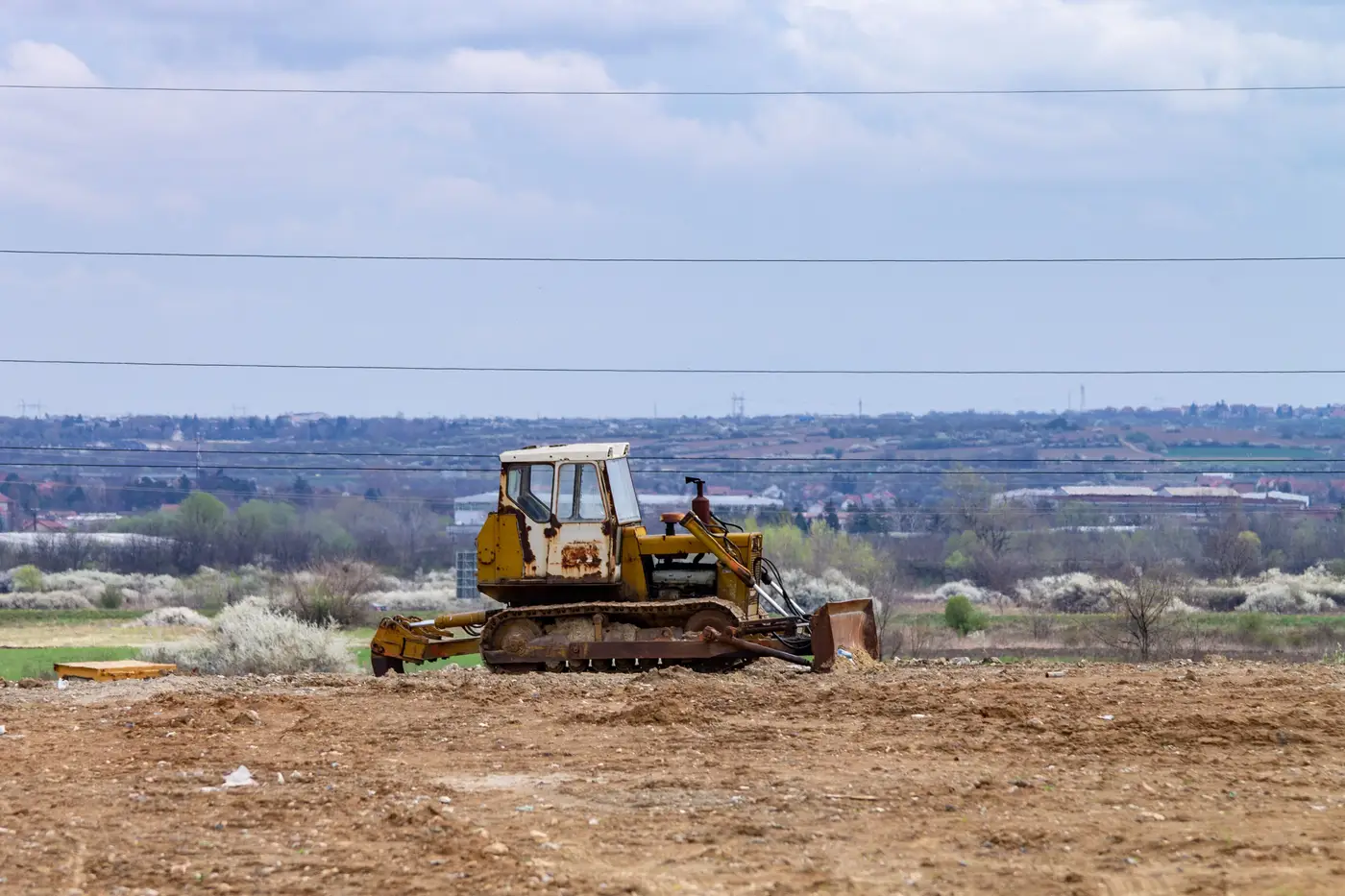
A territory manager in the Midwest called me in March about a site he'd been watching for two years. A grading contractor, maybe forty pieces of iron on a good day, nothing fancy. He said the fleet was tired. Faded paint, a dozer with a cracked windshield held together with duct tape, an excavator that had been leaking something onto the gravel for as long as he could remember. "They're due," he said. "I'd bet the farm on it."
He called again in June. Same site, same read. "Still due. Maybe more due than before."
He called a third time in September, a little less certain this time, more like he was trying to talk himself back into it. Nothing had moved. The same tired fleet sat in the same spots it had sat in March.
None of this makes him wrong about equipment. He's been selling into that territory for eleven years and he can look at a yard and tell you which machine is going to break a hydraulic line before the operator can. What he can't do, and what nobody driving a territory can do, is remember what that yard looked like eighteen months ago with any precision. He remembers it being old. He doesn't remember exactly which units were there, which ones have come and gone, or how long the pattern that looks like decline has been running.
That's the part that gets lost in gut-feel calls. A site with four machines that haven't moved in three years reads the same from the truck window as a site that just happened to replace six units last quarter and hasn't gotten around to swapping the last two. One of those is the replacement call you want to be first on. The other one, you already missed.
We went back and pulled the record on that contractor's yard going back to the start of the prior year. Four quarterly passes. What showed up was a site that had already turned over about a third of its visible fleet in the two passes before the rep's first call, mostly smaller attachments and one loader swapped for a newer model. Then it went quiet.
Nothing in or out for three straight passes, right through all three of his calls. The yard wasn't approaching a replacement window. It had just come through one, and it was sitting in the flat part of the cycle where a fleet rides out its useful life before the next wave starts.
His gut wasn't broken. His timing was off by about a year, and a year is the difference between a call that lands and a call that gets filed under "they said that last time too."
This is the gap a quarterly pass across a dealer's customer sites is built to close, not replacing the rep's read on the iron but giving it a date-stamped memory to check against. It lines up what showed up, what left, and what's still sitting there from three passes back, so "they're due" turns into a number with a timeline behind it instead of a recollection.
The contractor's yard, as of the last pass we ran, still hasn't turned. It'll happen. The question that matters for a sales planning calendar isn't whether it looks tired from the road. It's whether the site's own turnover rate says this is month two of a four-month-average cycle, or month eleven of one that usually runs twelve. Those look identical from a truck window and nothing alike on a dated arrival/departure timeline.
If your rep's third call on the same site is starting to sound like the first two, it might be worth checking what the turnover history actually says before he makes a fourth.